
Osteopathy for unsettled babies is often sought by parents whose baby cries intensely, struggles to sleep, or seems constantly tense despite feeding well. Many of these babies are quickly labelled as “colicky”, yet for a significant number of infants, colic is not the underlying issue.
What parents are often witnessing is an immature nervous system overwhelmed by stimulation, still adapting to life outside the womb.
In my Biodynamic Osteopathy practice in Christchurch, I regularly support babies and parents who feel exhausted, confused and worried — even when they have been reassured that “everything is normal”.
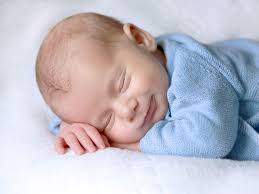
What does an unsettled baby really look like?
Babies who may benefit from osteopathy for unsettled babies often show signs such as:
- Prolonged or intense crying, especially in the evening
- Difficulty settling to sleep or frequent waking
- Body tension, arching or stiffness
- Strong reactions to sound, light or handling
- Feeding frequently without appearing calm afterwards
These signs are commonly attributed to colic or reflux. However, many babies are not in pain — they are overstimulated.
Colic or overstimulation: understanding the difference
Colic is traditionally defined as excessive crying without a clear medical cause. Yet this definition does not explain whysome babies struggle more than others.
Birth itself is a powerful physical and sensory experience. Even after a straightforward labour, a baby’s body and nervous system may still be processing compression, changes in pressure, and separation from the womb.
When stimulation exceeds a baby’s capacity to process it, their nervous system responds with crying, restlessness or tension. This is a physiological response, not a behavioural issue.
👉 NHS – Crying and colic in babies
How osteopathy for unsettled babies can help
Biodynamic Osteopathy offers a gentle, non-invasive approach based on cranial osteopathy that works with the baby’s whole system rather than focusing on isolated symptoms.
Osteopathy for unsettled babies may support:
- Nervous system regulation
- Release of physical tension linked to birth
- Greater comfort and ease in the body
- Improved settling, digestion and sleep
With over 25 years of clinical experience working with babies, pregnant women and mothers after birth, my approach is calm, unforced and always guided by the baby’s responses.
Sessions are quiet, respectful and adapted to each infant’s rhythm — there is no manipulation or forcing.
👉 Biodynamic Osteopathy for babies
Why supporting parents matters too
Babies do not regulate in isolation. Their nervous system is deeply connected to the person caring for them — most often the mother.
Many women feel “on edge” for months after birth, even when everything seems fine externally. This underlying nervous system strain can influence how a baby settles, feeds and sleeps.
This is why osteopathic support may also be offered to mothers, not only in the early postnatal period but across different life stages. Supporting the parent’s system often indirectly supports the baby as well.
👉 Postnatal osteopathy for mums
Osteopathy for unsettled babies in Christchurch
If your baby has been described as colicky, difficult or sensitive, it does not mean something is wrong with them — or with you.
Sometimes, a baby simply needs less stimulation and more support to regulate.
In my Christchurch Biodynamic Osteopathy clinic, I support babies and parents through a gentle, experienced and respectful approach shaped by decades of clinical practice.
Gentle Support for Unsettled Babies in Christchurch
👉 If you are looking for osteopathy for unsettled babies in Christchurch, you are welcome to contact the clinic or book an appointment to explore whether this approach may support your baby.